
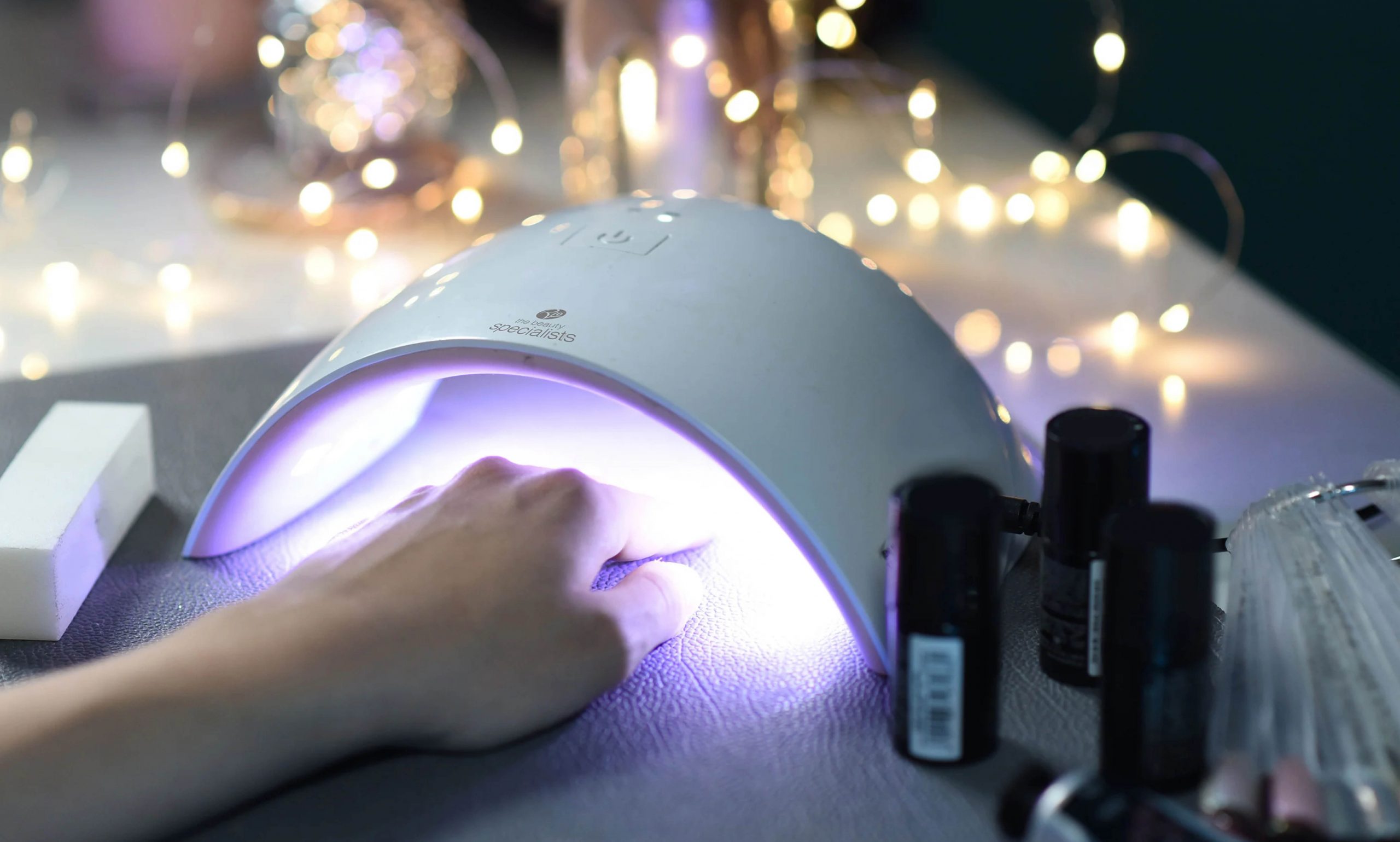
Searches relating to the potential risks of UV nail lamps have risen sharply as dermatologists urge regular gel manicure users and nail technicians to take simple steps to protect their skin.
The warning comes as experts highlight growing public concern around repeated exposure to ultraviolet light used in gel manicures and BIAB treatments.
While occasional treatments are unlikely to pose a significant risk on their own, consultant dermatologist Dr. Conal Perrett says cumulative UV exposure over many years deserves greater attention, particularly among people receiving regular appointments or working in nail salons every day.
Skin cancer is now the UK’s most common and fastest-rising cancer, with more than 17,500 melanoma cases and approximately 250,000 non-melanoma skin cancers diagnosed annually.
With gel manicures and BIAB treatments more popular than ever, search interest in UV curing lamps has risen by 80% over the past quarter, as the devices become standard equipment in thousands of UK nail salons.
Consultant dermatologist at The Devonshire Clinic, Dr. Conal Perrett, says awareness around UV nail lamps is growing as more studies investigate their potential impact on skin cells.
“Many people don’t associate nail appointments with UV exposure, but these lamps emit ultraviolet radiation directly onto the hands, one of the areas where we commonly see signs of aging and skin damage accumulate over time,” said Dr Perrett. “While occasional gel manicures are unlikely to pose a major risk on their own, repeated exposure over many years may contribute to cumulative UV damage, particularly when combined with other sources of daily UV exposure.”
Gel manicures and BIAB treatments have surged in popularity across the UK over the past decade, with many clients attending appointments every two to four weeks year-round.
Demand for gel manicures and BIAB treatments has continued to rise rapidly, with UV curing lamps now standard equipment across thousands of UK nail salons.
Unlike traditional nail polish, gel products require curing under UV or LED lamps to harden and set. Although LED lamps often cure faster, many still emit UVA wavelengths, which penetrate deeper into the skin and have been associated with premature ageing and cellular damage.
Research into the safety of UV nail lamps is ongoing, but one recent laboratory study found repeated 20-minute exposures caused significant DNA damage and cell death in human skin cells exposed to UV radiation.
Dermatologists stress that more long-term human studies are still needed to determine the precise cancer risk from nail lamps alone. However, dermatologists say the findings reinforce the importance of minimising unnecessary UV exposure wherever possible.
“Nail technicians may be exposed to UV lamps multiple times every single working day, often for years,” explained Dr. Perrett. “Even if the exposure from one appointment is relatively small, cumulative exposure is an important concept in dermatology. Many people also fail to realize that the backs of the hands are particularly vulnerable because the skin is thinner and frequently exposed.”
“Repeated UV exposure is already associated with premature skin aging, pigmentation changes and sunspots, reduced skin elasticity and DNA damage within skin cells. Over time, cumulative UV exposure is also linked to increased skin cancer risk,” added Dr. Perrett. “I am not advising people to stop having gel manicures entirely, but it is vital that both salons and clients take practical protective measures.”
According to Dr Perrett, precautions may include:
- Applying broad-spectrum SPF 30 or SPF 50 to the hands 15-20 minutes before UV exposure
- Wearing fingerless UPF protective gloves during treatments
- Limiting unnecessary or excessively frequent UV lamp exposure
- Asking salons what type of curing lamps they use
- Monitoring the skin on the hands for unusual changes or persistent marks
“Skin cancer prevention is not only about avoiding sunburn abroad,” Dr. Perrett said. “It’s about recognizing the smaller, repeated exposures that build up over time through everyday routines.”
Dermatologists believe increasing awareness could lead to greater demand for protective measures within the beauty industry, particularly as consumers become more conscious of long-term skin health.
Some salons have already started encouraging SPF use during appointments or offering UV-protective gloves to clients undergoing gel treatments.
Dr. Perrett continued to emphasize that most skin changes are harmless, but any unusual or evolving marks should be checked promptly.
“Warning signs can include new or changing lesions on the hands, persistent scaly patches or sores, changes in pigmentation, bleeding or non-healing areas and moles that change shape, color or size,” said Dr. Perret. “If something on your skin changes, don’t ignore it. The vast majority of skin changes are benign, but when skin cancer is detected early, outcomes are significantly better.”
“Awareness around UV exposure needs to evolve beyond sunshine alone,” added Dr. Perrett. “Nail lamps may appear harmless because the exposure is brief, but repeated exposure over months and years deserves sensible precautions, particularly for people having frequent treatments or working in salons every day.”